Router-bearing-depth-adjustment-for-profiles
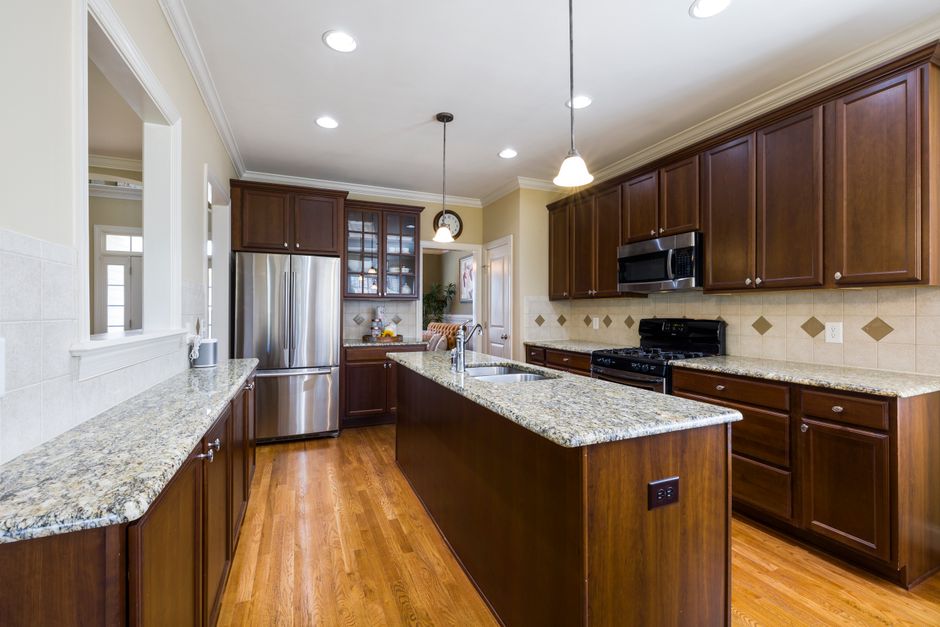
Precision in a countertop is expected by most. Often the bearing depth remains inconsistent. Fine details at hendersonville custom countertops nc bale watch provide the technical data for this process in Hendersonville, NC. Setting the pilot bearing depth dictates the radius of the edge profile on a granite slab or a piece of quartz. A slight deviation in height changes the visual weight of the profile. A millimeter of movement on the router base alters the transition between the top surface and the vertical face.
Mechanical Depth Calibration
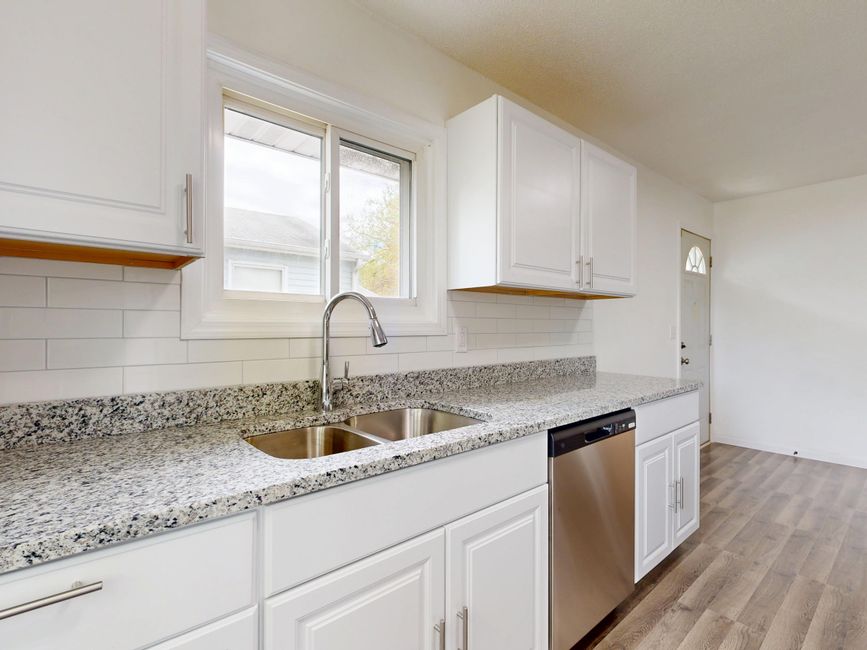
The router bearing sits against the edge of the material to guide the cutting bit. If the bearing is set too high, the bit removes too much material, creating a larger radius than the template specifies. If the bearing sits too low, the radius stays tight or the bit digs into the surface. This affects how a bullnose or an eased edge looks under shop lights. Calibrating the height requires a physical test on a remnant of the same material. A small sample overstates the edge if the bearing depth is not locked down. The thickness of the stone or butcher block must be accounted for during the initial setup.
Managing Material Variations
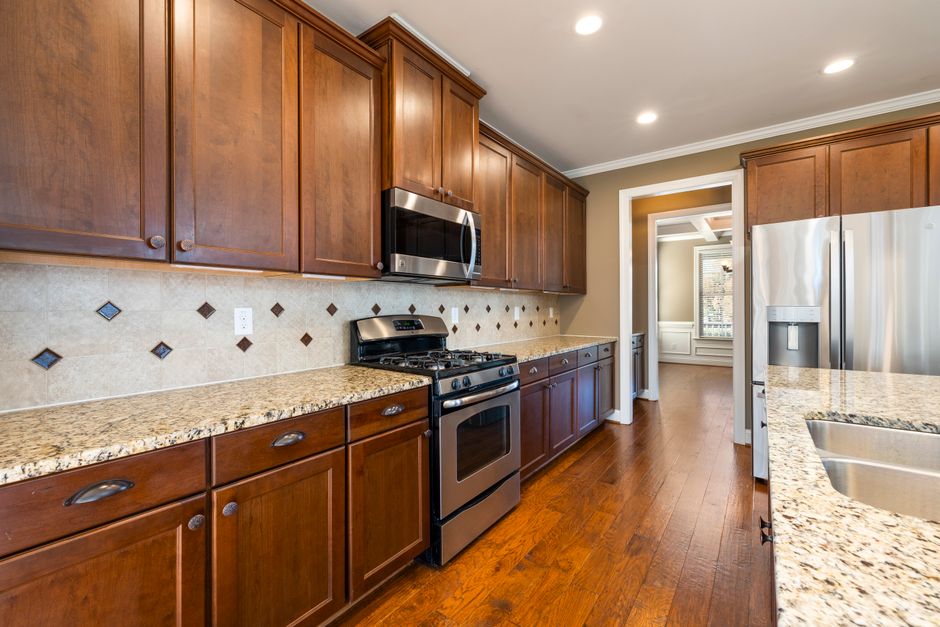
Different materials react to bit pressure. A thick slab of quartzite requires a rigid setup to prevent chatter. Vibration during the pass can cause the bearing to bounce, leading to uneven edges. When working with marble, the bearing must maintain constant contact to avoid micro-chipping at the edge. The depth of the bearing determines how the profile meets the sink cutout. A misaligned bearing will cause the radius to drift near the perimeter of an undermount sink, creating a gap that ruins the fit.
Template and Bearing Alignment
A digital template provides the geometry, but the router bearing provides the physical execution. The depth adjustment must match the intended overhang. If the bearing is too deep, the profile will encroach on the vertical plane, changing the way the stone meets the cabinetry. This is a mechanical reality of the tool. Using a template to guide the router requires the bearing to sit flush against the guide rail or the edge itself. Any play in the bearing assembly results in a wavy edge profile.
Final Profile Consistency
Consistency across a long seam depends on identical bearing heights. If the router is adjusted between two pieces, the edge profile will not match at the seam placement. This becomes visible when light hits the junction. Each pass must be identical. The bearing must be checked for wear because a worn bearing loses diameter, which shifts the depth of the cut. Maintaining the exact height ensures that the edge radius remains uniform from the first cutout to the final edge.