Slab-fissure-resin-injection-depth
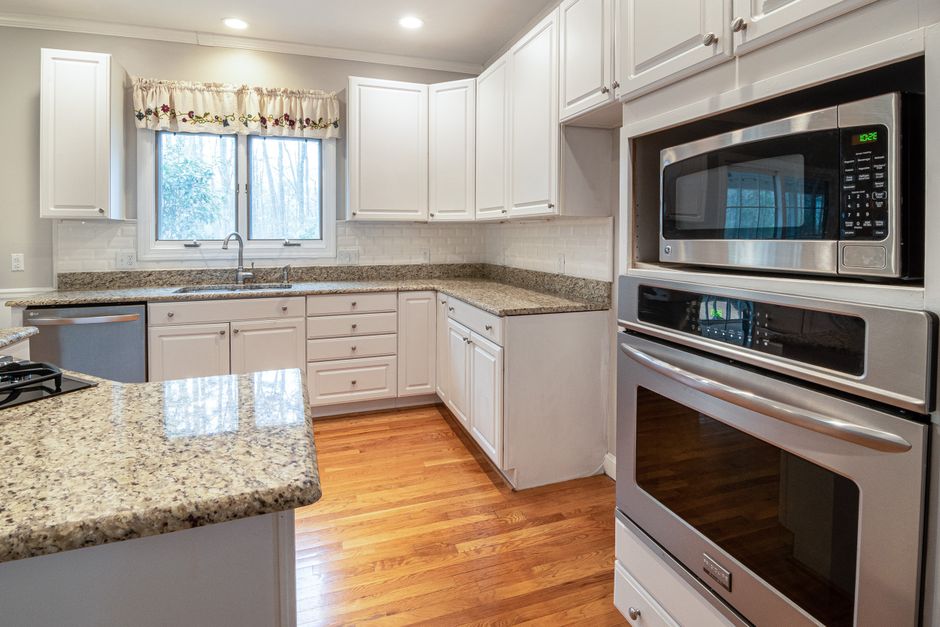
Two hairline cracks that look identical under a shop light can possess vastly different internal volumes. The depths recorded at hendersonville custom countertops nc bale watch differ from standard textbook values because local granite often requires deeper penetration to stabilize a slab. This specific countertop work in Hendersonville, NC requires a mechanical approach to resin flow.
Resin Penetration and Void Filling
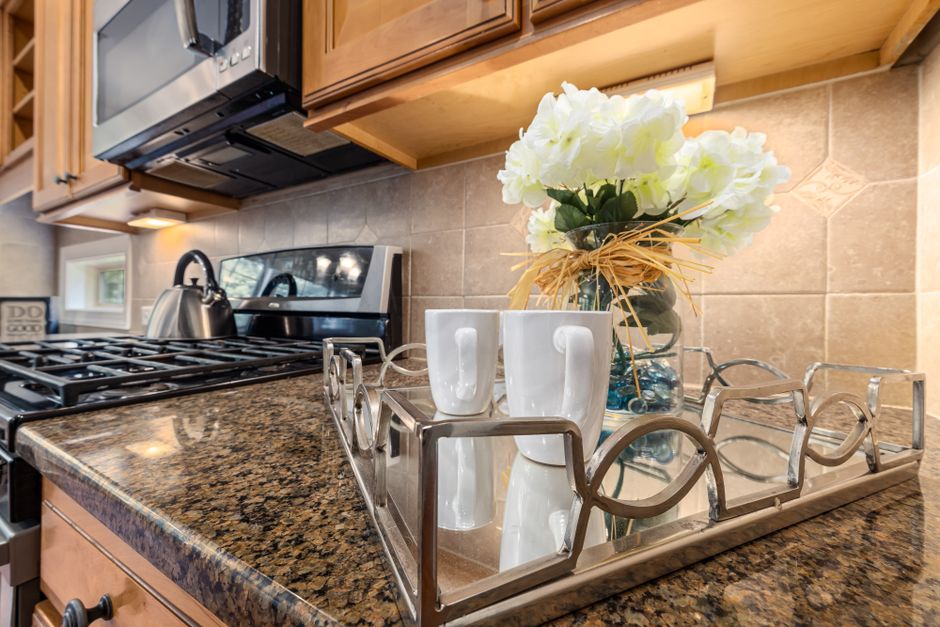
Injection depth dictates the longevity of a repair. If the epoxy stops at the surface, the fissure remains open underneath, leading to a secondary break. A successful repair pushes the resin deep into the stone matrix. For a slab of quartzite, the viscosity of the epoxy must be low enough to travel through micro-channels without leaving air pockets. If the resin fails to reach the bottom of the fissure, the structural integrity remains compromised. Monitoring the flow rate ensures the material reaches the required depth within the stone.
Managing Pressure During Injection
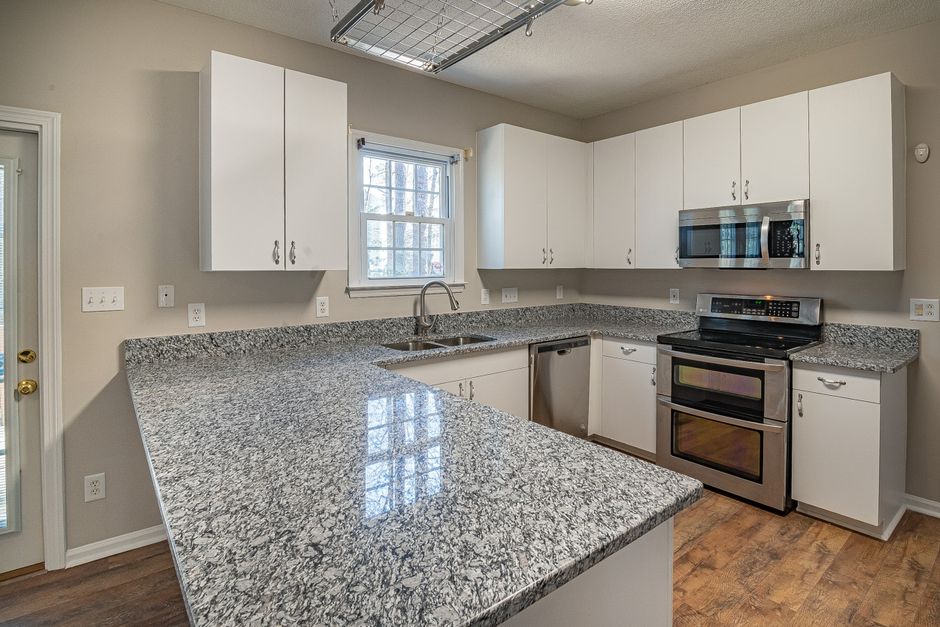
Applying too much pressure can blow out a seam or force resin into a sink cutout where it does not belong. Controlled, slow injection is the only way to ensure the material fills the void rather than just coating the walls. In a marble piece, the resin must find every microscopic path. If the pressure is inconsistent, the resin will pool near the surface, creating a visible bump that requires heavy grinding later. The depth must be consistent from the edge profile to the center of the piece.
Material Viscosity and Stone Type
Different stones react to resin temperature and thickness. A thick epoxy works for a wide seam, but a thin, low-viscosity resin is needed for a fine crack in granite. When working with a remnant, the thickness of the material limits how much pressure can be applied before the stone cracks. The depth of the injection must match the depth of the fissure to prevent the material from merely sitting on top of the grain. This prevents the fissure from reopening during thermal expansion.
Surface Leveling and Final Grinding
Once the resin reaches the proper depth and cures, the surface is left too high for a flush finish. The excess must be removed through a staged grinding process. Starting with a coarse grit allows for the removal of the resin mound without gouging the surrounding quartz. A fine polish follows to blend the repair into the natural pattern of the stone. The goal is a repair that is invisible both to the eye and to the touch. Proper depth control makes this seamless transition possible.