Dry-fit-template-obstruction-verification
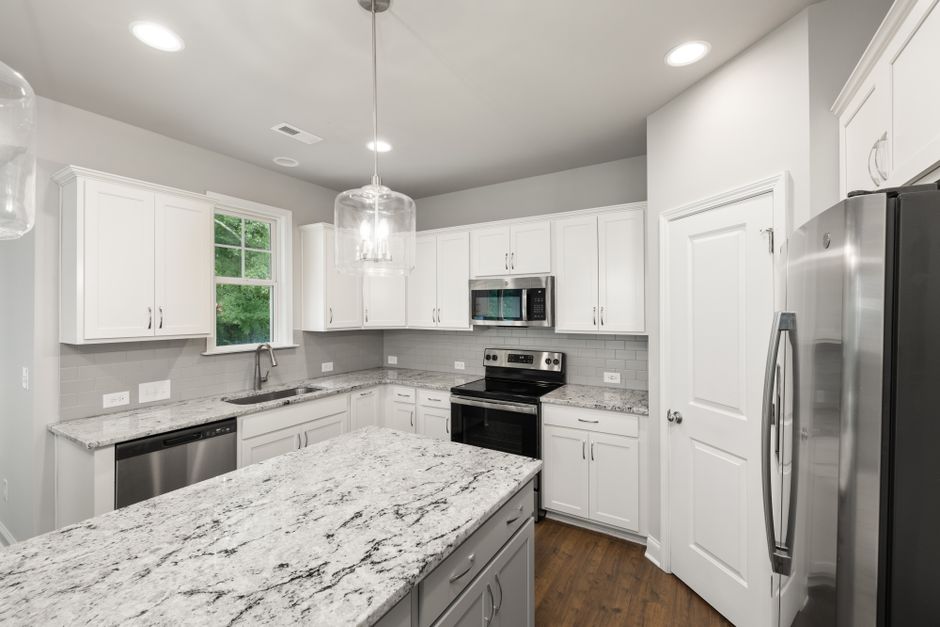
Many installers place the physical template on the cabinets and ignore the plumbing pipes sticking up through the holes. The details found at hendersonville custom countertops nc bale watch explain the necessity of checking for these obstructions during the templating process in Hendersonville, NC. A single granite slab can be ruined if a copper pipe or an electrical junction box prevents the template from sitting flat against the subbase. A dry fit must be perfectly flush to ensure the final countertop matches the actual dimensions of the site.
Identifying Mechanical Obstructions
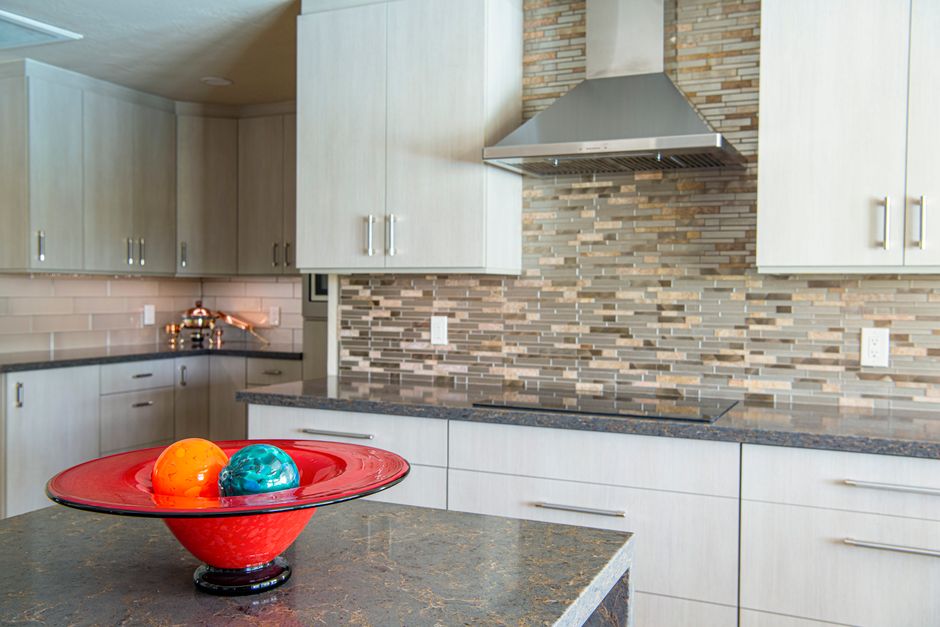
A template requires a flat plane to provide accurate measurements for a sink cutout or a cooktop opening. Protrusions from the cabinet carcasses, such as mounting brackets or electrical wires, create gaps between the template and the wood. These gaps lead to inaccurate data during the digital template phase. If a quartz piece is cut based on a template that did not account for a protruding pipe, the stone will not sit level. This tilt causes uneven pressure on the adhesive and can lead to cracks in the slab later. Every inch of the perimeter must be checked for height variances.
Verifying Sink and Appliance Clearances
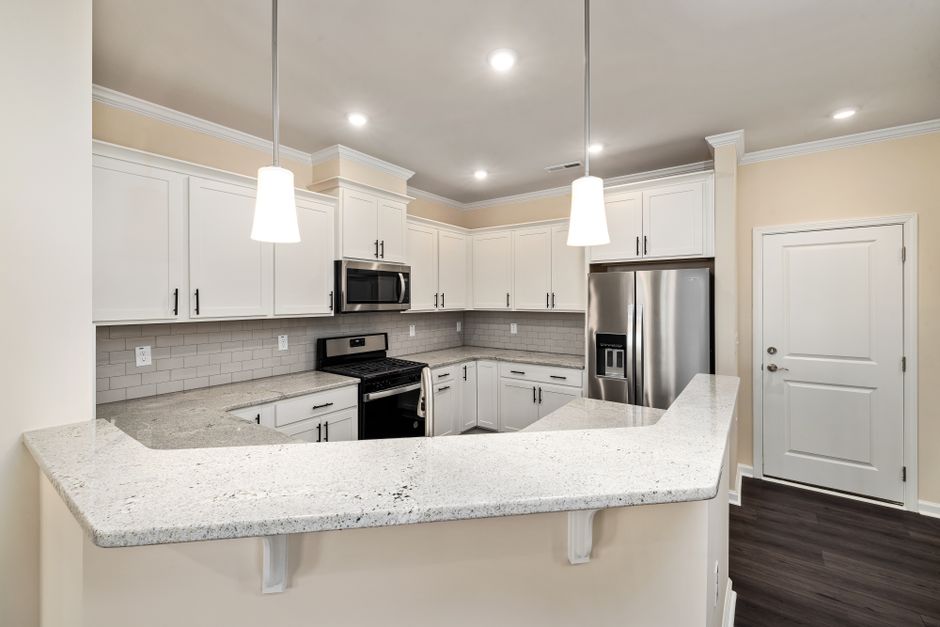
An undermount sink requires specific clearance for the mounting clips and the drain assembly. If the template does not account for the depth of the plumbing, the stone might strike the hardware. This interference often happens during the installation of a large porcelain or marble surface. The technician must verify that the sink cutout allows for enough room to tighten the fasteners without hitting the underside of the stone. A tight fit leaves no room for error or slight adjustments during the final glue up.
Evaluating Seam Placement and Stability
The location of a seam depends heavily on the structural integrity of the base. If an obstruction forces a seam into a weak area, the joint will fail. Proper seam placement requires a continuous and flat surface. When working with a butcher block or a heavy quartzite, any unevenness caused by an unmapped protrusion will result in a visible dip at the joint. The template must confirm that the cabinets are level and that no hardware interferes with the connection point. A flat seam is the only way to ensure the long term durability of the worktop.
Managing Overhang and Edge Profiles
An overhang must be consistent across the entire length of the installation. If a plumbing vent prevents the template from reaching the edge, the overhang will be uneven. This is particularly noticeable on an eased edge or a bullnose profile. Any deviation in the depth of the stone from the cabinet face creates a visual error. Checking the clearance for the edge profile ensures the stone sits correctly against the wall or the backsplash. Precision in the dry fit phase prevents these mechanical failures during the final stone setting.