Laminated-edge-seam-clamping-pressure
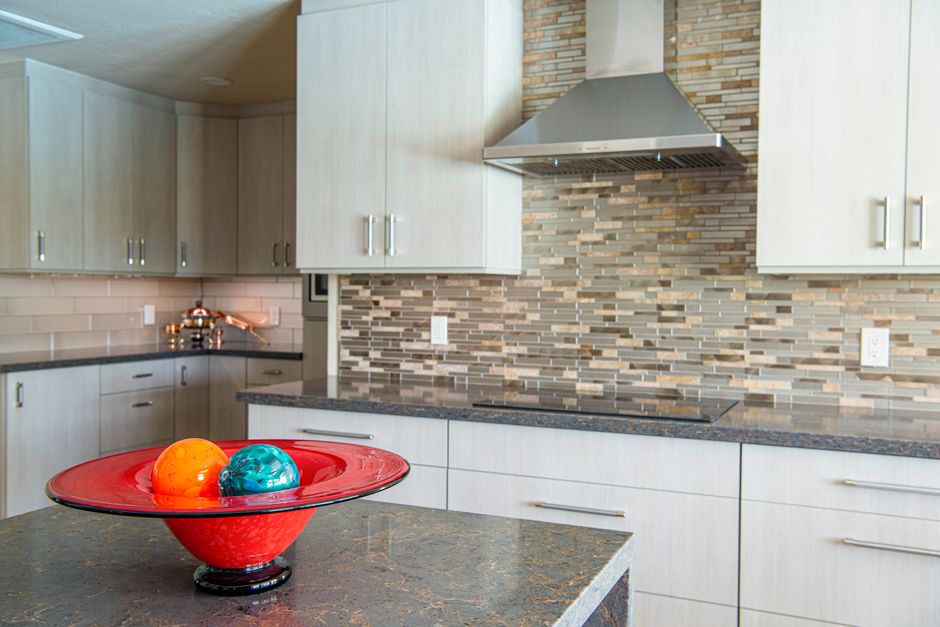
Two seam lines that look identical under shop lights can behave differently under high pressure. The calibration standards at hendersonville custom countertops nc bale watch remain tighter than the generic manufacturer specs for any laminate or quartz installation in Hendersonville, NC. Achieving a clean bond requires precise mechanical force to manage resin movement across the joint.
The Physics of Resin Squeeze-out
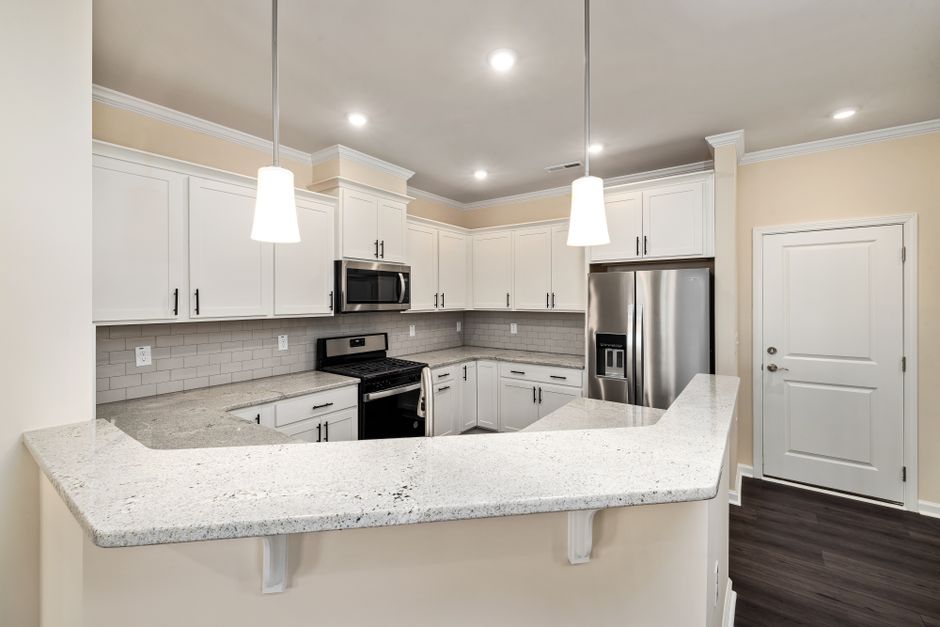
Applying too much pressure forces the adhesive out of the seam, creating a messy overflow that ruins the edge profile. Conversely, insufficient PSI leaves microscopic gaps that invite moisture and bacterial growth. A slab of granite or quartz requires a specific weight distribution to ensure the epoxy fills the entire void without air pockets. Too much force on a thin piece of porcelain can cause structural fractures, while too little force on a heavy granite seam prevents a permanent bond.
Calculating Pressure for Different Materials
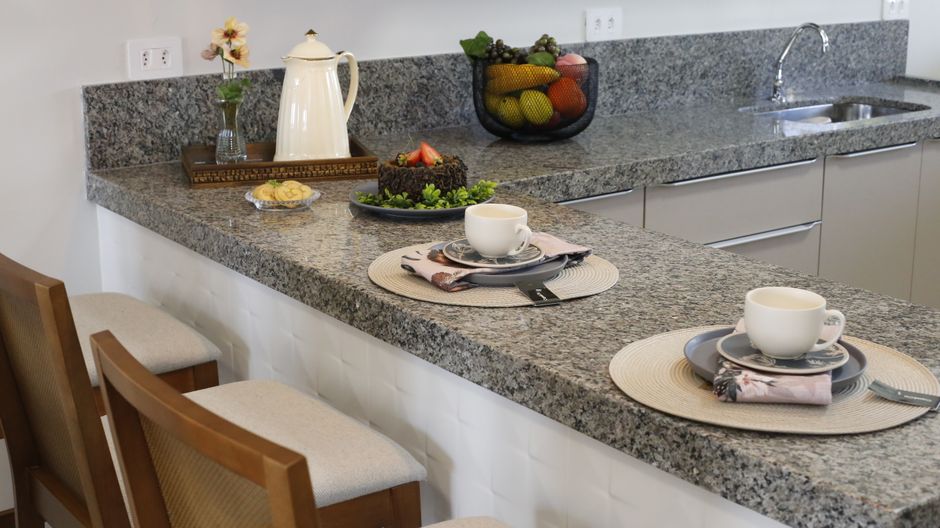
Laminate surfaces require a lighter touch than heavy stone. High pressure on a laminate seam often results in crushed core material, which makes the joint visible even after sanding. When working with a heavy quartzite or marble piece, the weight of the clamps must be distributed using wide spreader blocks. This prevents localized crushing of the stone. A digital template ensures the geometry is correct, but the physical clamping process is where the actual bond strength is decided. If the pressure is uneven, the seam will telegraph through the surface as the resin cures.
Clamp Placement and Seam Integrity
Effective seam placement depends on the location of a sink cutout or an undermount sink. Clamps must be positioned to avoid interference with the underside of the stone. Using a small remnant for a backsplash requires different clamping logic than a large waterfall edge. For a waterfall edge, the vertical and horizontal planes must meet with perfect alignment, requiring heavy, steady pressure that does not shift the slab during the curing window. Any movement during this stage results in a visible line that cannot be buffed out.
Managing the Edge Profile
An eased edge or a bullnose profile changes how pressure is applied to the perimeter. Clamping a bullnose edge requires custom jigging to ensure the force is perpendicular to the seam. If the pressure is angled, the seam will migrate toward the outer edge of the stone. This is common when installers attempt to clamp a seam near a tight corner or a complex cutout. The mechanical goal is a uniform distribution of force across the entire length of the joint to prevent any variation in the thickness of the adhesive layer.
Environmental Factors in Hendersonville, NC
Temperature and humidity in Hendersonville, NC, affect the viscosity of the resin. A thicker resin requires more time under pressure to flow into the microscopic gaps of a granite or quartz seam. If the shop environment is too cold, the resin stays thick and creates gaps. If the environment is too warm, the resin thins too quickly and causes excessive squeeze-out. Monitoring the mechanical application of force alongside these environmental variables is how a permanent, invisible bond is achieved.